
One Nation, Two Markets
One Nation, Two Markets
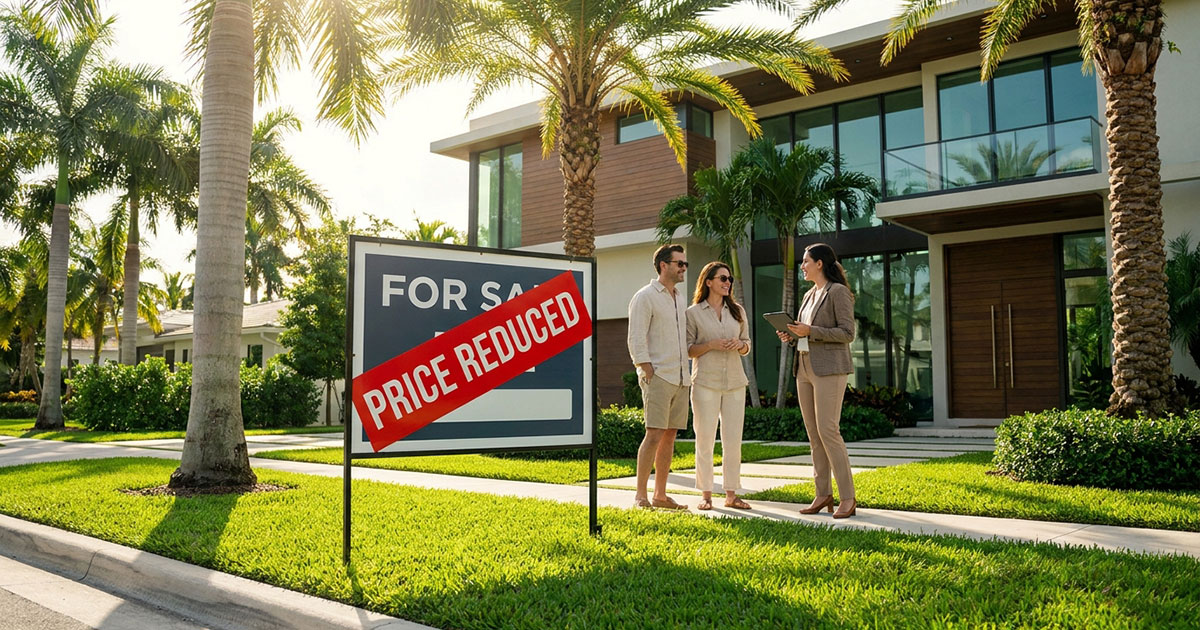
The United States housing market exhibits a profound geographic polarization, creating vastly different realities for buyers and sellers across regions. While surging inventory and rising insurance costs drive a significant cooldown across the South and West, severe supply shortages continue to fuel intense bidding wars and record-high prices throughout the Northeast and Midwest markets.
The Great Divide
The national real estate narrative in the United States has completely fractured, giving way to a deeply polarized landscape where a single generalized market trend no longer exists. Analysts observing current housing dynamics emphasize that the traditional concept of a unified national market has been replaced by a striking regional divergence driven by local economic forces, inventory levels, and migrating demographics. In previous real estate cycles, macroeconomic factors like mortgage rate fluctuations tended to move all regional markets in a relatively synchronized direction, even if some moved faster than others. Today, however, stabilized but historically elevated mortgage rates are interacting with localized supply conditions to produce completely opposing market behaviors across different geographic zones. This polarization means that advice tailored for an individual navigating real estate in one state could be completely disastrous if applied to a transaction just a few hundred miles away. Consequently, understanding the specific undercurrents of this geographic split has become the absolute baseline for any successful real estate strategy this year.
Southern Exposure
Sunbelt markets throughout the American South and parts of the West are currently experiencing a pronounced cooling trend that has fundamentally shifted the balance of power toward buyers. Rapid residential construction coupled with a notable slowdown in inbound migration has led to a dramatic surge in available housing inventory across states like Florida and Texas. Prospective buyers in previously hyper-competitive metropolitan areas are now finding an abundance of choices, forcing sellers to adjust their expectations, slash asking prices, and offer substantial financial concessions to close deals. Adding to this cooling effect is the rapidly escalating cost of homeowner insurance in coastal and climate-vulnerable zones, which has significantly altered the monthly affordability equation for middle-class families. As a result, homes in these regions are sitting on the market for weeks longer than the national average, transforming these areas into textbook examples of a buyer’s market where negotiation and patience yield considerable advantages.
Northern Resilience
In stark contrast to the cooling trends observed in the Sunbelt, the Northeast and Midwest regions of the United States remain locked in a ferocious, high-demand seller’s market characterized by severe inventory shortages. Major metropolitan hubs and suburban communities across New York, New Jersey, and parts of New England are seeing record-low levels of available housing, primarily because existing homeowners are unwilling to give up their historically low mortgage rates. This acute supply drought has triggered intense bidding wars, driving final sale prices well above initial asking amounts and forcing buyers to make rapid, unconditional offers to secure properties. Even with mortgage rates remaining steady, the sheer volume of motivated buyers far outstrips the handful of homes entering the market each week. Sellers in these northern territories hold virtually all the leverage, enjoying minimal time on the market and receiving multiple competitive offers within days of listing their homes for sale.
Economic Drivers
This profound geographic polarization is not a random anomaly but rather the direct result of evolving economic fundamentals, shifting demographic patterns, and changing lifestyle preferences across the country. The massive wave of remote workers who relocated to southern states over the last several years has largely normalized, and many corporations are now mandating a return to physical office locations, stabilizing demand in traditional northern employment hubs. Furthermore, the sheer velocity of home price appreciation in the South during the boom years eventually hit a hard ceiling of local affordability, forcing a natural market correction as local wages failed to keep pace with housing costs. Meanwhile, the relative affordability of the Midwest and the established economic resilience of the Northeast have acted as powerful magnets for buyers seeking stability over speculative growth. When these migration shifts are combined with the unequal distribution of new home construction, the resulting imbalance naturally creates the polarized landscape we observe today.
Strategic Outlook
Navigating this fragmented real estate environment requires a highly localized approach that abandons broad national generalizations in favor of precise, neighborhood-level market intelligence. For buyers operating in the cooling southern and western sectors, the current climate offers a rare window of opportunity to demand thorough home inspections, request seller-funded mortgage rate buydowns, and negotiate aggressive price reductions without the fear of being immediately outbid. Conversely, individuals attempting to purchase property in the competitive Northeast or Midwest must enter the market fully pre-approved, financially prepared for potential bidding wars, and willing to act with absolute decisiveness. Sellers must also look closely at their specific zip codes, realizing that while a homeowner in New Jersey can expect an immediate premium, a seller in Florida must price their property realistically from day one to avoid having it sit unsold on the market. Ultimately, success in this polarized climate belongs to those who recognize that the American housing market is no longer a single entity, but a complex mosaic of distinct regional realities.
Brokerage
Vista Mar Realty Group, Inc.
1314 East Las Olas Blvd #501 Fort Lauderdale, FL 33301; 2645 Executive Park Drive Suite 133 Weston, FL 33331
Email: roger@vistamarrealty.com
Phone: (954) 558-4844
Selecting the right Realtor is one of the most important decisions you’ll make when buying or selling a home. The right Realtor should not simply provide the best information available to assist your decisions, but also provide the comfortable working relationship and service necessary to make the best decisions. We offer our agents the same marketability, ease of operation and security one would expect of a big broker company, but without the archaic brokerage office cubicle or the pressure of exorbitant overhead costs. Our relaxed and equipped meeting spaces, easy-to-navigate websites, and Realtor education resources, allow your agent to focus on what is most important—the client. At Vista Mar Realty Group, we believe a constantly evolving real estate market calls for a network of Realtors who are willing to innovate. Trends affecting property values and the needs of buyers and sellers change by the hour. Having a forward-thinking Realtor by your side to help you make important decisions, which affect your finances and your family, is not a luxury. It is an imperative. Experienced, insightful, ethical, and equipped with valuable resources and South Florida contacts, the Realtors of Vista Mar Realty Group are a step above the traditional real estate agent. Because Vista Mar Realty Group offers its agents the opportunity to run their own independent business under one company umbrella — without the huge overhead costs of a typical ‘big broker’ company — your Realtor can focus on your mutual success. Vista Mar Realty Group offers its buyers and sellers a choice network of diverse agents, who are committed to their client’s happiness.